Source EDM Electrode Holding Chuck Holder for EDM, Clamping, Mounting
Compare 30 EDM electrode holding chuck holder options from verified suppliers. These tools support mounting electrodes, clamping workpieces, and securing various shapes with precision. Review specifications, MOQs, and certifications to find the right fit; compare the available evidence and request quotations based on your requirements.
Key considerations
Products List


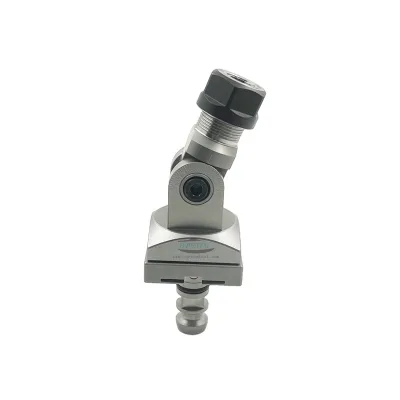
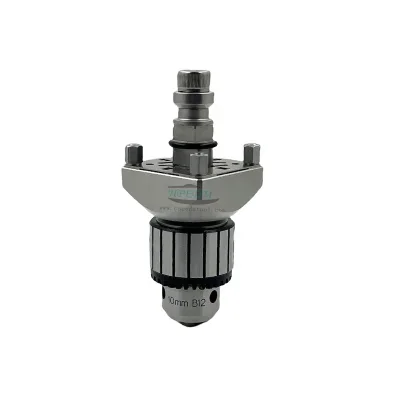
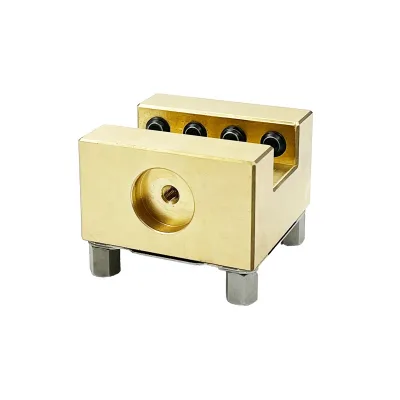
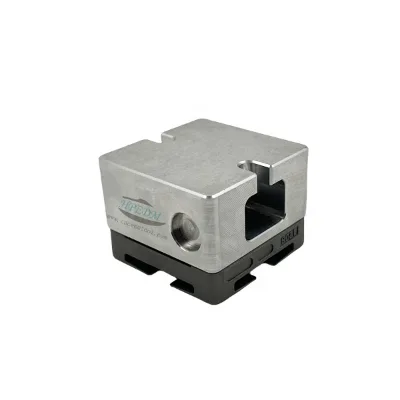


Comprehensive Sourcing Guide
EDM Electrode Holding Chuck Holder Sourcing Guide
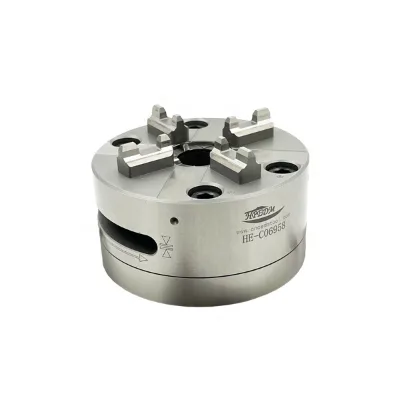
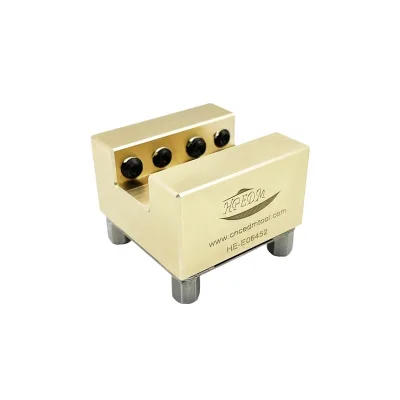
The EDM electrode holding chuck holder serves as a critical interface for securing electrodes and workpieces during precision machining operations. These devices are engineered to accommodate various shapes, including rectangular electrodes, ensuring stability during the electrical discharge process. Buyers must recognize that the primary function involves mounting components with high precision to maintain dimensional accuracy throughout the manufacturing cycle.
Procurement decisions should focus on the specific clamping mechanism required for the intended application, whether for graphite or metal electrodes. The observed market offers units designed for quick clamping with centering precision ranging from D5 to D20 mm, which is essential for minimizing setup time. Understanding the distinction between fixed screw versions and adjustable models is vital for selecting the correct tool for specific production environments.
Product Scope and Observed Listing Signals
Market listings for these holders reveal a diverse range of materials, including stainless steel, copper, and general metal alloys, each suited for different conductivity and durability requirements. The observed product count indicates a robust supply base, with variations in size from small to middle configurations. Buyers should verify the specific material composition against their operational needs, as the choice of material directly impacts the tool's resistance to wear and chemical interaction during EDM processes.
Listing signals also highlight significant variations in packaging and versioning, such as sets containing four fixed screws or twelve units per set. Some products are packaged in cartons, while others utilize black EPE inner packing with paper boxes to prevent damage during transit. These differences in packaging and unit configuration suggest that buyers must carefully review the "Version" and "Packing" attributes to ensure the delivered quantity and protection level match their logistical and operational expectations.
Technical Specifications to Verify
Precision is a paramount technical specification, with observed accuracy levels reaching as tight as 0.002 mm and 0.005 mm for centering clamping. Buyers must verify the finished size dimensions, which can range from 50.850.841.2 mm to 545442.5 mm, to ensure compatibility with existing machine tooling and workpiece fixtures. The slot size, observed at 7535.512.5 mm in some models, further dictates the maximum electrode dimensions that can be securely held without slippage.
Weight capacity and net weight are also critical verification points, with some units supporting a maximum electrode weight of 20 kg while having a net weight of approximately 0.55 kg to 1 kg. The length of the clamping mechanism, noted as 113.5 mm in specific models, influences the reach and accessibility within the machine workspace. Procurement teams should cross-reference these dimensional and weight data points against their specific machine specifications to avoid compatibility issues during high-speed operations.
Compliance and Safety Documentation
Certification status is a key indicator of manufacturing quality, with many suppliers providing CE and ISO 9001 certifications for their holding chucks. These documents serve as evidence that the production processes adhere to international safety and quality management standards, which is particularly important for machinery used in regulated industrial environments. Buyers should request current certification copies to verify that the specific batch of products meets the required regulatory frameworks for their region.
In addition to general certifications, specific product standards such as ISO90001.20008 or custom-defined surface standards like 50.8*50.8 surface are often cited in product listings. These standards define the tolerances and surface finish requirements that ensure the chuck holder performs reliably under stress. It is essential to confirm that the documented standard matches the actual product delivered, as deviations in surface finish or dimensional tolerances can compromise the precision of the EDM process.
Cost Drivers and Commercial Terms
The observed price range for these holders spans from 3 to 610 USD, reflecting significant differences in material quality, precision levels, and customization options. Higher-priced units typically offer superior accuracy, specialized materials like copper, or complex customization features such as logo printing and OEM services. Buyers must analyze the cost per unit against the required precision and durability to determine the most economical choice that does not compromise production quality.
Minimum Order Quantity (MOQ) requirements vary widely, with some suppliers offering as few as 1 piece while others require orders of 500 units or more. The standard MOQ observed is often around 5 to 12 pieces, which allows for flexibility in small-batch procurement. Understanding these commercial terms is crucial for budget planning, as high MOQs may tie up capital in inventory, whereas low MOQs might result in higher per-unit costs due to reduced economies of scale.
Supplier Qualification and Quality Control
Supplier location is a notable factor, with observed origins in Guangdong and Shenzhen, China, regions known for their manufacturing capabilities in precision tooling. Buyers should assess the supplier's proximity to logistics hubs and their ability to provide consistent lead times, as these factors influence the overall supply chain efficiency. Verifying the supplier's history with similar products and their capacity to handle custom orders is essential for ensuring a reliable partnership.
Quality control processes should be validated through the supplier's adherence to the stated certifications and standards. The availability of customization services, such as logo printing and tailored specifications, indicates a supplier's flexibility and commitment to meeting specific buyer requirements. Buyers should request samples or detailed quality reports to confirm that the finished products consistently meet the claimed accuracy and material specifications before committing to larger orders.
Long-Term Procurement Checks
Sustainability and consistency in product performance are critical for long-term procurement success. Buyers should establish a protocol for periodic re-verification of product specifications, ensuring that future batches maintain the same accuracy, material integrity, and dimensional tolerances as the initial samples. This proactive approach helps prevent production disruptions caused by subtle variations in tooling quality over time.
Regular audits of supplier performance regarding delivery times, packaging integrity, and after-sales support are necessary to maintain a robust supply chain. Since the application involves mounting electrodes and workpieces of various shapes, any degradation in the chuck holder's performance can lead to significant scrap rates. Establishing clear communication channels and performance metrics with the supplier ensures that any potential issues are addressed promptly, safeguarding the continuity of EDM operations.
FAQs
What materials are used for EDM electrode holding chucks?
These chucks are typically constructed from metal, stainless steel, or copper to ensure durability and conductivity. The choice of material depends on the specific application requirements, such as mounting electrodes or workpieces of various shapes. Selecting the appropriate material ensures optimal performance and longevity in industrial EDM processes.
Can these holders be customized for specific needs?
Yes, customization is available for many of these holders. Buyers can request specific modifications to fit unique production requirements. This flexibility allows for tailored solutions that enhance operational efficiency. Custom options may include logo printing or specific dimensional adjustments to meet precise manufacturing standards.
What is the typical minimum order quantity for these items?
The minimum order quantity varies by product model, ranging from 1 piece to 500 pieces. Some models have an MOQ of just 1 piece, while others require 5 or 12 pieces. This range accommodates both small-scale testing and larger bulk procurement needs for industrial applications.
Which certifications do these products typically hold?
Many of these holders carry CE and ISO 9001 certifications, ensuring compliance with international quality and safety standards. Some models may also include GS certification. These credentials verify that the products meet rigorous manufacturing criteria, providing buyers with confidence in the reliability and quality of the equipment.
How precise are the centering clamping features?
Precision varies by model, with some offering a centering clamping precision of 0.005mm. Other models may achieve accuracies of 0.002mm. This high level of precision is critical for mounting rectangular electrodes or workpieces, ensuring accurate positioning and consistent results in electrical discharge machining operations.
Where are these products typically manufactured?
These products are primarily manufactured in China, with origins in regions like Guangdong and Shenzhen. This location is known for its robust manufacturing infrastructure and supply chain efficiency. Buyers can expect reliable production capabilities and access to a wide variety of models tailored for different industrial needs.